Personalized Introduction
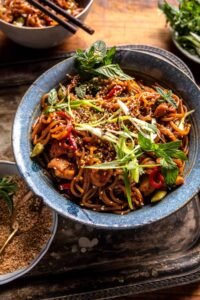
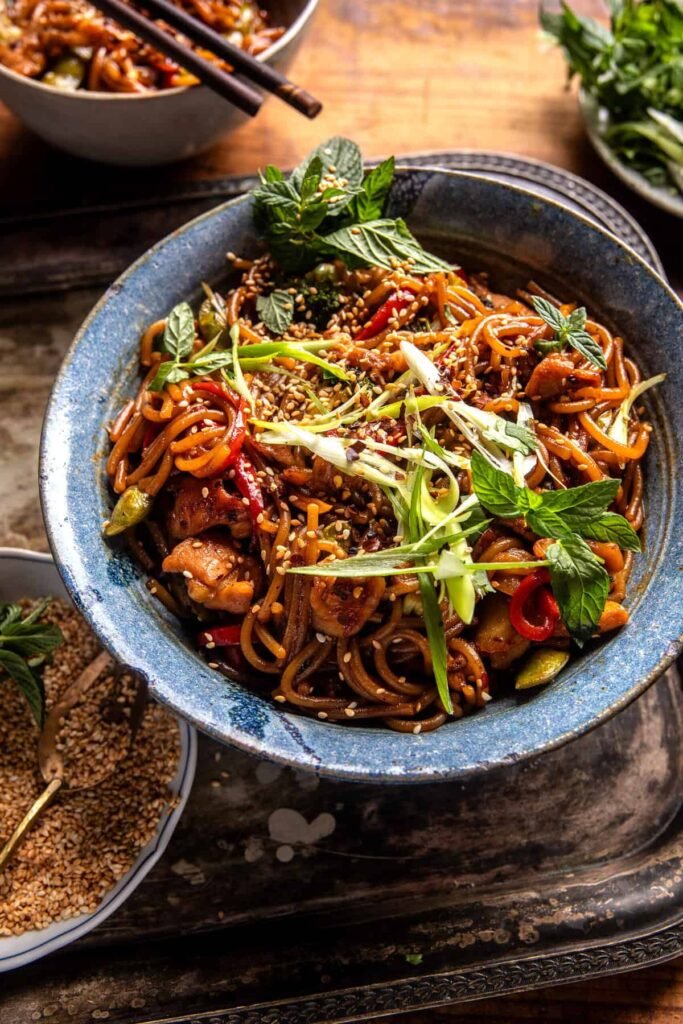
Have you ever craved a delicious takeout-style dinner but wanted something quicker, fresher, and easier to make at home? These 30-Minute Sticky Garlic Chicken Noodles are exactly what you need. Tender pieces of chicken, soft noodles, colorful vegetables, and a glossy garlic sauce come together in one satisfying meal that tastes wonderfully sweet, savory, and garlicky.
I love recipes like this because they turn everyday ingredients into something that feels special without requiring hours in the kitchen. The chicken develops delicious golden edges, while the sauce combines garlic, soy sauce, honey, ginger, and a little vinegar for the perfect balance of flavors. Once everything is tossed together, the noodles soak up the sticky sauce, making every bite incredibly satisfying.
The best part is that you can prepare this dinner in about 30 minutes. It is ideal for busy weeknights, quick family meals, or those evenings when you want homemade comfort food without ordering takeout. You can also adjust the sweetness, add extra vegetables, or introduce a little chili heat to suit your taste.
Whether you are cooking for yourself, sharing dinner with your family, or preparing a meal for friends, these Sticky Garlic Chicken Noodles are easy to love. Grab your favorite skillet or wok, prepare the ingredients, and get ready for a delicious dinner that might become a regular in your kitchen.
Recipe Origin & Story
Sticky Garlic Chicken Noodles are inspired by the sweet-savory flavors commonly found in Asian-inspired stir-fries and takeout-style noodle dishes. Garlic, soy sauce, ginger, and a touch of sweetness create a flavorful combination that works beautifully with chicken and noodles.
This recipe is a home-cooked interpretation rather than a traditional dish from one specific Asian cuisine. Its appeal comes from the simple cooking method: brown the chicken, quickly cook the vegetables, prepare the sauce, and toss everything together until the noodles are coated in a glossy glaze.
The sticky texture comes from the combination of honey and a small amount of cornstarch. Honey adds sweetness and shine, while cornstarch thickens the sauce so it clings to the noodles instead of running to the bottom of the pan.
Making this dish at home also gives you control over the ingredients. You can reduce the sodium, add more vegetables, adjust the sweetness, and choose the noodles you enjoy most. It is a practical way to satisfy a takeout craving while keeping dinner simple and customizable.
Ingredient Spotlight
- Main Star: Boneless, skinless chicken thighs offer juicy texture and rich flavor. Chicken breasts are an excellent alternative if you prefer leaner meat.
- Noodles: Lo mein-style noodles, egg noodles, or ordinary wheat noodles all work well. Choose a variety that holds its shape when tossed in sauce.
- Fresh Garlic: Garlic provides the bold, aromatic flavor that defines this recipe. Freshly minced cloves give the sauce a stronger flavor than garlic powder alone.
- Honey: Honey creates the sticky sweetness and helps give the sauce its glossy finish. Adjust the quantity if you prefer a less sweet dish.
- Soy Sauce: Soy sauce contributes salty, savory depth. Reduced-sodium soy sauce is useful if you want more control over the saltiness.
- Ginger and Vinegar: Fresh ginger adds warmth, while rice vinegar provides acidity that balances the honey and soy sauce.
- Colorful Vegetables: Bell peppers, carrots, and spring onions add freshness, crunch, and color to the finished noodles.
- Cornstarch: A small amount thickens the sauce and helps it coat the chicken and noodles evenly.
Nutritional Benefits
Chicken provides protein along with nutrients such as niacin, vitamin B6, selenium, and phosphorus. Protein helps support muscle maintenance and contributes to a satisfying meal.
Noodles provide carbohydrates for energy, while bell peppers and carrots contribute fiber, vitamins, and beneficial plant compounds. Garlic and ginger bring plenty of flavor, allowing you to create a delicious sauce without relying entirely on extra salt.
The honey contributes added sugar, and the soy sauce can contain considerable sodium. You can make the recipe lighter by using reduced-sodium soy sauce, reducing the honey slightly, and adding extra vegetables.
For a balanced dinner, serve a moderate portion of noodles with plenty of chicken and vegetables. Exact nutrition values will vary according to the noodle brand, chicken cut, sauce quantities, and portion sizes.
Adaptable Variations
- Spicy Sticky Garlic Noodles: Add chili flakes, chili paste, or a little sriracha to the sauce for a spicy finish.
- Extra Vegetable Version: Add broccoli, mushrooms, shredded cabbage, snap peas, or zucchini. Cut the vegetables into small, even pieces so they cook quickly.
- Gluten-Free Option: Use gluten-free noodles and tamari or certified gluten-free soy sauce. Check the labels on all packaged ingredients.
- Less Sweet Sauce: Reduce the honey to 1–2 tablespoons and taste the sauce before adding more. A little extra vinegar can help balance the flavor.
- Chicken Breast Version: Use chicken breast cut into bite-sized pieces. Cook until the thickest pieces reach 165°F (74°C), then avoid unnecessary additional cooking.
- Vegetarian Alternative: Replace the chicken with firm tofu or mushrooms. Press tofu to remove excess moisture before browning for better texture.
- Sesame Garlic Twist: Finish with a small drizzle of toasted sesame oil and a sprinkle of sesame seeds for extra nutty flavor.
Cooking Science Explained
Great stir-fried chicken starts with a hot pan and dry meat. Patting the chicken with paper towels helps remove excess surface moisture, allowing it to brown instead of steam. Browning creates deeper savory flavors that make the finished dish more delicious.
Garlic and ginger should be added after the chicken has started browning. They release their aroma quickly, but they can burn if left over high heat for too long. Cooking them briefly before adding the sauce gives the dish a fragrant foundation.
The sauce works because it combines different flavor elements. Soy sauce brings saltiness and umami, honey contributes sweetness, and rice vinegar adds acidity. Together, they create a balanced flavor that coats the chicken and noodles.
Cornstarch thickens the sauce as it heats. For the smoothest result, dissolve it in a little cool liquid before adding it to the pan. Once the sauce begins to bubble gently, it will become glossy and cling more effectively to the noodles.
Finally, avoid overcooking the noodles before stir-frying them. They should be tender but still hold their shape. Once tossed with the sauce, they will absorb some of the flavor and continue softening slightly.
Easy, Step-by-Step Recipe
Preparation Details
- Prep Time: 10 minutes
- Cook Time: 20 minutes
- Total Time: 30 minutes
- Servings: 4
- Cooking Method: Stovetop stir-fry
Ingredients
- 1 pound (450 g) boneless, skinless chicken thighs or breasts, cut into bite-sized pieces
- 8 ounces (225 g) lo mein noodles or egg noodles
- 1 tablespoon neutral cooking oil
- 1 red bell pepper, thinly sliced
- 1 medium carrot, cut into thin matchsticks
- 4 spring onions, sliced, with white and green parts separated
- 5 garlic cloves, finely minced
- 1 teaspoon freshly grated ginger
- 1 teaspoon toasted sesame oil, optional
- 1 tablespoon sesame seeds, optional, for garnish
For the Sticky Garlic Sauce
- ¼ cup (60 ml) low-sodium soy sauce
- 3 tablespoons honey
- 2 tablespoons water or low-sodium chicken broth
- 1 tablespoon rice vinegar
- 1 teaspoon cornstarch
- ½ teaspoon black pepper
- ¼ teaspoon chili flakes, optional
Instructions
- Prepare the noodles. Bring a pot of water to a boil and cook the noodles according to the package directions until just tender. Drain them and reserve a little cooking water in case you need to loosen the sauce later.
- Mix the sauce. In a small bowl, whisk together the soy sauce, honey, water or broth, rice vinegar, cornstarch, black pepper, and optional chili flakes. Stir until the cornstarch has dissolved completely.
- Prepare the chicken. Pat the chicken dry with paper towels and cut it into evenly sized pieces. This helps the chicken cook consistently.
- Heat the pan. Place a large skillet or wok over medium-high heat. Add the neutral oil and allow it to heat until shimmering.
- Brown the chicken. Add the chicken in a single layer. Cook for approximately 5–7 minutes, turning occasionally, until golden and cooked through. The thickest pieces should reach an internal temperature of 165°F (74°C). If necessary, cook the chicken in batches rather than overcrowding the pan.
- Add the vegetables. Add the sliced bell pepper, carrot, and the white parts of the spring onions. Stir-fry for 2–3 minutes, keeping the vegetables slightly crisp.
- Add garlic and ginger. Stir in the minced garlic and grated ginger. Cook for about 30 seconds, stirring constantly until fragrant.
- Pour in the sauce. Give the sauce another quick stir, then pour it into the skillet. Allow it to bubble gently for 1–2 minutes while stirring so it thickens evenly.
- Add the noodles. Transfer the drained noodles to the skillet. Use tongs to toss everything together until the chicken, vegetables, and noodles are evenly coated in the sticky garlic sauce.
- Adjust the consistency. If the sauce is too thick, add a tablespoon of reserved noodle water at a time. If it is too thin, simmer briefly while tossing the noodles gently.
- Finish the dish. Drizzle with sesame oil if using, then add the green parts of the spring onions. Toss once more and taste. Add a little extra vinegar or chili if you want to adjust the flavor.
- Garnish and serve. Sprinkle with sesame seeds and serve immediately while the noodles are warm, glossy, and flavorful.
Practical & Valuable Tips
- Prepare everything first: Chop the vegetables and mix the sauce before you begin cooking. Stir-frying moves quickly, so preparation makes the process easier.
- Avoid overcrowding: Too much chicken in the pan releases moisture and prevents proper browning. Cook in batches if necessary.
- Do not burn the garlic: Add it toward the end of the stir-frying stage and keep it moving.
- Cook noodles just until tender: Overcooked noodles can break apart when tossed with the sauce.
- Adjust sweetness gradually: Different brands of soy sauce and honey vary in flavor. Taste the sauce and make small adjustments rather than adding extra ingredients all at once.
- Keep the noodles glossy: A splash of noodle water helps loosen the sauce without making it watery.
- Store leftovers safely: Refrigerate leftovers in a shallow, airtight container within two hours of cooking and use within 3–4 days.
Make-Ahead & Batch-Cooking
You can mix the sauce up to two days ahead and store it in a covered container in the refrigerator. You can also slice the chicken and vegetables in advance, keeping raw chicken separate from vegetables and other ready-to-eat ingredients.
For the best texture, cook the noodles shortly before serving. If you are making the entire dish ahead for meal prep, remember that the noodles will continue absorbing the sauce as they sit.
Divide cooled leftovers into shallow containers and refrigerate promptly. When reheating, add a small splash of water or broth to a skillet and warm the noodles over medium-low heat, tossing gently until steaming hot throughout.
You can freeze the cooked chicken and sauce separately for better texture, then prepare fresh noodles when you are ready to eat. Cooked noodles can also be frozen, but they may become softer after thawing.
Eco-Friendly Kitchen Hacks
- Use vegetables already in your refrigerator to reduce food waste.
- Choose reusable containers for meal prep and leftover storage.
- Measure the sauce ingredients into one bowl to reduce washing-up.
- Use leftover noodles in a quick lunch stir-fry with an egg and extra vegetables.
- Plan portions carefully so you cook only what you are likely to eat or can store safely.
Pairing Suggestions
These Sticky Garlic Chicken Noodles are satisfying on their own, but a fresh side dish can make the meal feel even more complete.
- Cucumber Salad: Thinly sliced cucumber with rice vinegar and sesame seeds adds a refreshing contrast to the sticky sauce.
- Steamed Broccoli: Broccoli adds color, fiber, and a fresh flavor that balances the sweetness of the noodles.
- Asian-Inspired Slaw: Shredded cabbage and carrots with a light sesame dressing provide crunch.
- Steamed Edamame: A simple side that adds plant-based protein and a pleasant texture.
- Refreshing Drinks: Serve with sparkling water and lime, chilled water, or unsweetened iced tea.
Frequently Asked Questions
Can I use chicken breast instead of thighs?
Yes. Chicken breast works well and gives the recipe a leaner option. Cut it into evenly sized pieces and cook until the thickest pieces reach 165°F (74°C), taking care not to overcook them.
What noodles are best for this recipe?
Lo mein-style noodles and egg noodles are excellent choices. You can also use other wheat noodles that hold their shape well. Follow the package instructions because cooking times vary by noodle type.
How can I make the sauce thicker?
Let it simmer gently for another minute or two. If it still needs thickening, mix ½ teaspoon of cornstarch with 1 tablespoon of cold water and stir it into the sauce. Cook briefly until glossy.
Can I make the noodles less sweet?
Absolutely. Start with 1–2 tablespoons of honey instead of three. Taste the sauce before adding more, and use a little extra rice vinegar if you want a sharper, more savory balance.
Is this recipe spicy?
It is mild if you leave out the optional chili flakes. Add chili flakes or chili sauce if you prefer a spicy takeout-style flavor.
Can I make this recipe gluten-free?
Yes. Choose gluten-free noodles and use certified gluten-free tamari or soy sauce. Check all packaged ingredients carefully, particularly sauces and seasoning blends.
Call to Action
If you are looking for a quick dinner that combines tender chicken, flavorful vegetables, and noodles coated in a sweet-savory garlic sauce, these 30-Minute Sticky Garlic Chicken Noodles are a wonderful choice.
They are simple enough for a busy weeknight, flexible enough to use the vegetables you already have, and delicious enough to satisfy a takeout craving. Adjust the honey, add a little chili, or finish with sesame seeds to create your favorite version.
Save this recipe for your next noodle night, serve it hot straight from the skillet, and enjoy every sticky, garlicky bite!