Personalized Introduction
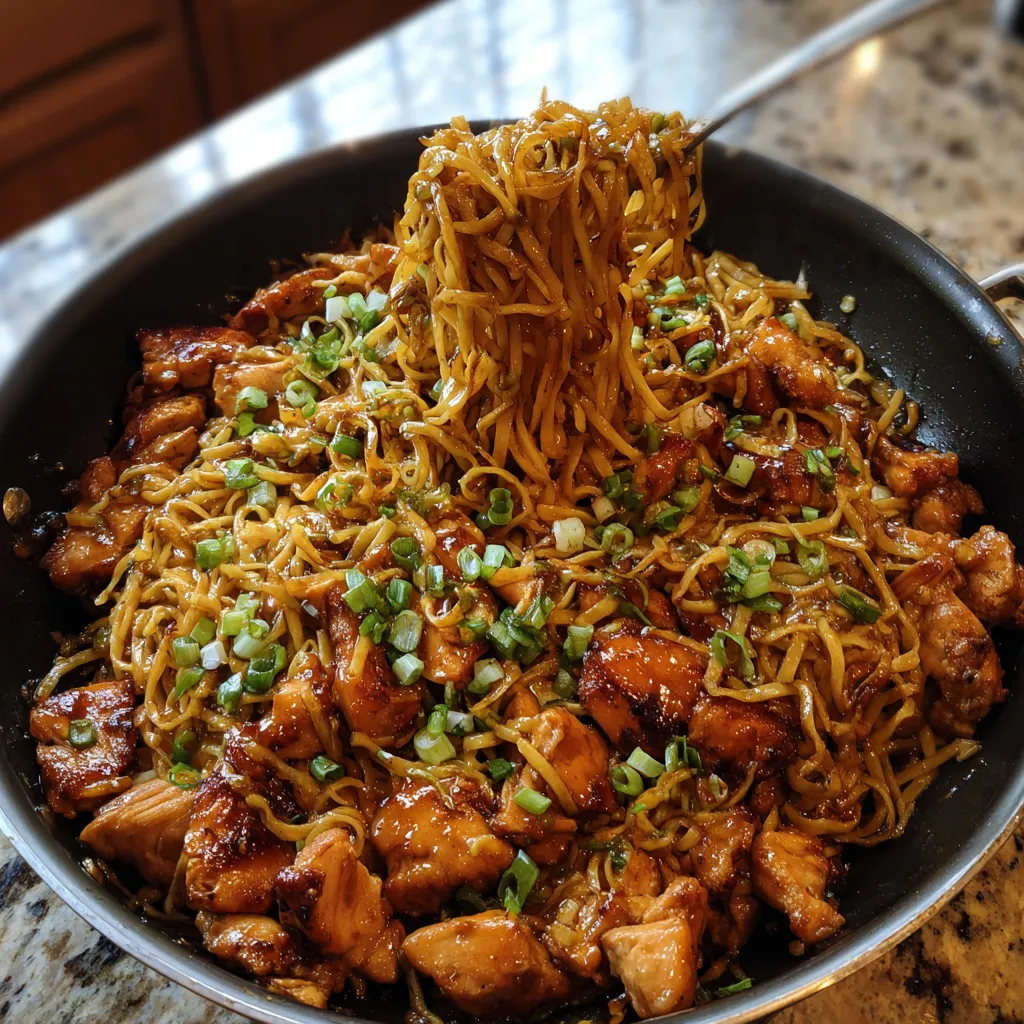
Some dinners are so flavorful that you want to make them again before you have even finished the first plate. These One-Pan Sticky Garlic Chicken Noodles are exactly that kind of meal. Tender chicken, soft noodles, fresh garlic, and a glossy sweet-and-savory sauce come together in one pan for a dinner that tastes like your favorite takeout without the extra cost.
I love recipes that deliver big flavor without leaving the kitchen looking like a disaster. This one keeps things simple: cook the chicken, prepare the sticky garlic sauce, add the noodles, and toss everything together until every strand is coated in that delicious glaze.
The sauce combines soy sauce, honey, garlic, ginger, and a touch of sesame oil. It is sweet without being overpowering, savory without being too salty, and wonderfully aromatic. You can also add chili flakes if you enjoy a little heat.
Whether you need a quick weeknight dinner, an easy family meal, or something satisfying when you are craving Asian-inspired comfort food, these sticky garlic chicken noodles are a fantastic choice. Best of all, you can customize them with your favorite vegetables and noodles.
Recipe Origin & Story
Sticky garlic chicken noodles are inspired by the flavors commonly found in Asian-style stir-fries and takeout dishes. Garlic, soy sauce, ginger, and a sweet glaze create a familiar combination that works beautifully with chicken and noodles.
This recipe is a home-cooked interpretation rather than a traditional regional dish. Honey gives the sauce its sticky sweetness, soy sauce adds savory depth, and garlic brings the bold flavor that makes the entire meal so appealing.
Cooking everything in one pan also makes this recipe practical for busy households. Instead of preparing several separate dishes, you can cook the chicken and vegetables, build the sauce, and combine everything with the noodles in the same skillet or wok.
Ingredient Spotlight
- Main Star: Boneless, skinless chicken thighs stay juicy and tender, while chicken breasts provide a leaner option. Cut the chicken into evenly sized pieces for consistent cooking.
- Flavor Builder: Fresh garlic and ginger give the sauce its distinctive aroma. Freshly minced garlic is especially useful here because it releases plenty of flavor when briefly cooked.
- Sticky Sweetness: Honey creates a glossy coating and balances the saltiness of the soy sauce. Brown sugar can be used as an alternative.
- Noodle Base: Egg noodles, lo mein-style noodles, or ordinary wheat noodles work well. Choose noodles that can hold the sauce without becoming mushy.
- Fresh Additions: Bell peppers, carrots, and spring onions add color, crunch, and extra nutrients.
- Finishing Touch: Sesame oil and sesame seeds add a nutty aroma that complements the garlic sauce.
Nutritional Benefits
Chicken provides protein, along with nutrients such as vitamin B6, niacin, selenium, and phosphorus. Protein helps support muscle maintenance and makes meals more satisfying.
Noodles provide carbohydrates that supply energy, while vegetables such as carrots and bell peppers contribute fiber, vitamins, and beneficial plant compounds. Garlic and ginger add plenty of flavor, helping you create a satisfying dish without relying entirely on extra salt.
The sauce contains honey and soy sauce, so its sugar and sodium content can vary depending on the products you use. For a lighter version, reduce the honey slightly, choose reduced-sodium soy sauce, and add extra vegetables.
Exact nutrition information will depend on the noodle type, chicken cut, sauce quantities, and serving size.
Adaptable Variations
- Spicy Garlic Noodles: Add chili flakes, chili paste, or a little sriracha to the sauce for a spicy finish.
- Extra Vegetable Version: Add broccoli florets, sliced mushrooms, shredded cabbage, snap peas, or zucchini.
- Gluten-Free Option: Use certified gluten-free noodles and tamari or gluten-free soy sauce. Check all sauce labels before cooking.
- Lighter Sauce: Reduce the honey and increase the garlic, ginger, and a splash of water or low-sodium broth.
- Different Protein: Replace chicken with thinly sliced beef, shrimp, or firm tofu. Adjust cooking times according to the protein you choose.
- Peanut-Garlic Twist: Stir a small spoonful of smooth peanut butter into the sauce with a little extra warm water for a richer, nutty variation.
Cooking Science Explained
The secret to delicious stir-fried chicken is high enough heat to brown the outside without drying out the inside. Patting the chicken dry before cooking helps reduce excess moisture and encourages better browning.
Garlic and ginger cook quickly, so they should be added after the chicken has browned. Cooking them briefly releases their aromatic compounds, while leaving them in the pan too long can make them bitter or burnt.
Honey helps create the sticky texture because its sugars become more concentrated as the sauce simmers. Soy sauce provides salty, savory notes that balance the sweetness. A small amount of cornstarch thickens the sauce, allowing it to cling to the noodles rather than pooling at the bottom of the pan.
Noodles continue absorbing liquid after they are drained. For this reason, it is best to cook them just until tender and reserve a little noodle water. A splash of that starchy water can loosen the sauce while helping it coat the noodles evenly.
Easy, Step-by-Step Recipe
Preparation Details
- Prep Time: 15 minutes
- Cook Time: 20 minutes
- Total Time: 35 minutes
- Servings: 4
- Cooking Method: Stovetop, one-pan finish
Ingredients
- 1 pound (450 g) boneless, skinless chicken thighs or breasts, cut into bite-sized pieces
- 8 ounces (225 g) egg noodles or lo mein-style noodles
- 1 tablespoon neutral cooking oil
- 1 tablespoon sesame oil, divided
- 5 garlic cloves, finely minced
- 1 teaspoon freshly grated ginger
- 1 red bell pepper, thinly sliced
- 1 medium carrot, cut into thin matchsticks
- 3 spring onions, sliced
- Sesame seeds, for garnish
For the Sticky Garlic Sauce
- ¼ cup (60 ml) low-sodium soy sauce
- 3 tablespoons honey
- 2 tablespoons water or low-sodium chicken broth
- 1 tablespoon rice vinegar
- 1 teaspoon cornstarch
- ½ teaspoon freshly ground black pepper
- ¼ teaspoon chili flakes, optional
Instructions
- Prepare the noodles. Cook the noodles according to the package instructions until just tender. Drain them and reserve about ½ cup of the cooking water. Set the noodles aside.
- Mix the sauce. In a small bowl, whisk together the soy sauce, honey, water or broth, rice vinegar, cornstarch, black pepper, and optional chili flakes. Make sure the cornstarch is fully dissolved.
- Season the chicken. Pat the chicken pieces dry with paper towels and season lightly with black pepper. Avoid adding much salt because the soy sauce already provides plenty.
- Heat the pan. Place a large skillet or wok over medium-high heat. Add the neutral oil and half the sesame oil.
- Brown the chicken. Add the chicken in a single layer. Cook for approximately 5–7 minutes, turning occasionally, until golden on the outside and cooked through. The thickest pieces should reach an internal temperature of 165°F (74°C).
- Add the vegetables. Add the bell pepper and carrot. Stir-fry for 2–3 minutes, keeping the vegetables slightly crisp. If your pan is small, cook in batches to avoid overcrowding.
- Cook the aromatics. Add the minced garlic and grated ginger. Stir constantly for about 30 seconds, just until fragrant.
- Pour in the sauce. Stir the sauce mixture once more, then pour it into the pan. Let it bubble gently for 1–2 minutes, stirring as it thickens.
- Add the noodles. Transfer the cooked noodles to the pan. Toss thoroughly with tongs until the chicken, vegetables, and noodles are coated in the glossy sauce.
- Adjust the consistency. If the sauce becomes too thick, add reserved noodle water one tablespoon at a time. If it seems too thin, simmer briefly while tossing gently.
- Finish with sesame oil. Drizzle in the remaining sesame oil and toss once more. Taste and adjust with a little extra vinegar or chili if desired.
- Garnish and serve. Sprinkle with sliced spring onions and sesame seeds. Serve immediately while the noodles are warm and glossy.
Practical & Valuable Tips
- Do not overcrowd the pan: Too much chicken at once can cause it to steam instead of brown. Cook in batches if necessary.
- Prepare everything first: Stir-frying moves quickly, so chop the vegetables and mix the sauce before turning on the heat.
- Watch the garlic: Garlic can burn quickly over high heat. Add it after the chicken and vegetables have started cooking.
- Keep the noodles firm: Slightly undercook them if they will spend another minute or two in the sauce.
- Balance the flavor: Add a little rice vinegar if the sauce tastes too sweet, or a small amount of honey if it tastes too salty or sharp.
- Store leftovers safely: Refrigerate leftovers in a shallow, airtight container within two hours of cooking and use within 3–4 days.
Make-Ahead & Batch-Cooking
You can make the sauce up to two days ahead and store it in a covered container in the refrigerator. You can also slice the chicken and vegetables earlier in the day, keeping raw chicken separate from ready-to-eat ingredients.
For the freshest texture, cook the noodles just before serving. If you need to prepare the whole dish ahead, keep in mind that the noodles will absorb more sauce as they sit.
To reheat leftovers, place them in a skillet over medium-low heat with one or two tablespoons of water or broth. Toss gently until steaming hot throughout. You can also use a microwave-safe container, stirring halfway through heating.
Freezing is possible, but the noodles and vegetables may soften after thawing. For the best results, freeze cooked chicken and sauce separately, then prepare fresh noodles when you are ready to serve.
Eco-Friendly Kitchen Hacks
- Use vegetables already in your refrigerator instead of buying a separate selection just for this recipe.
- Choose reusable containers for leftovers and meal prep.
- Measure the sauce ingredients into one bowl to reduce washing-up.
- Use leftover noodles in a lunch stir-fry with an egg and extra vegetables.
- Keep vegetable scraps for homemade stock if you normally make stock at home and can store the scraps safely.
Pairing Suggestions
These noodles are satisfying on their own, but a few simple sides can make the meal feel even more complete.
- Fresh Cucumber Salad: Thinly sliced cucumber with rice vinegar and sesame seeds adds a refreshing contrast to the sticky sauce.
- Steamed Broccoli: A simple vegetable side adds color and balances the sweet-savory flavors.
- Asian-Inspired Slaw: Shredded cabbage, carrots, and a light sesame dressing provide extra crunch.
- Light Soup: A simple vegetable or miso-style soup can turn the noodles into a comforting dinner spread.
- Refreshing Drinks: Serve with chilled water, sparkling water with lime, or unsweetened iced tea.
Frequently Asked Questions
Can I use chicken breast instead of chicken thighs?
Yes. Chicken breast works very well. Cut it into evenly sized pieces and avoid overcooking it. Always check that the thickest pieces reach 165°F (74°C).
Which noodles work best?
Egg noodles and lo mein-style noodles are excellent choices, but many wheat noodles work well. Follow the package instructions and avoid overcooking before adding them to the sauce.
How can I make the sauce thicker?
Let the sauce simmer gently for another minute while tossing the noodles. If it remains thin, mix ½ teaspoon of cornstarch with 1 tablespoon of cold water, stir it into the pan, and cook briefly until thickened.
Can I make this recipe without honey?
Yes. Brown sugar or maple syrup can provide sweetness. Start with a slightly smaller amount, taste the sauce, and adjust as needed.
Is this recipe spicy?
Not by default. The optional chili flakes add heat, so leave them out for a mild family-friendly version or increase them if you enjoy spicy noodles.
Can I make it gluten-free?
Yes. Use gluten-free noodles and gluten-free soy sauce or tamari. Check the labels of all packaged ingredients to make sure they meet your needs.
Call to Action
If you love quick dinners with tender chicken, flavorful garlic, and a glossy sauce, these One-Pan Sticky Garlic Chicken Noodles deserve a place in your weekly meal rotation. They are easy to customize, satisfying to eat, and simple enough for a busy evening.
Make the recipe with your favorite noodles, add the vegetables you have on hand, and adjust the sauce until it suits your taste. A little extra ginger, a squeeze of lime, or a pinch of chili can make each batch your own.
Save this recipe for your next noodle night and share it with someone who loves sweet-and-savory chicken dishes. Enjoy every sticky, garlicky bite!