Personalized Introduction
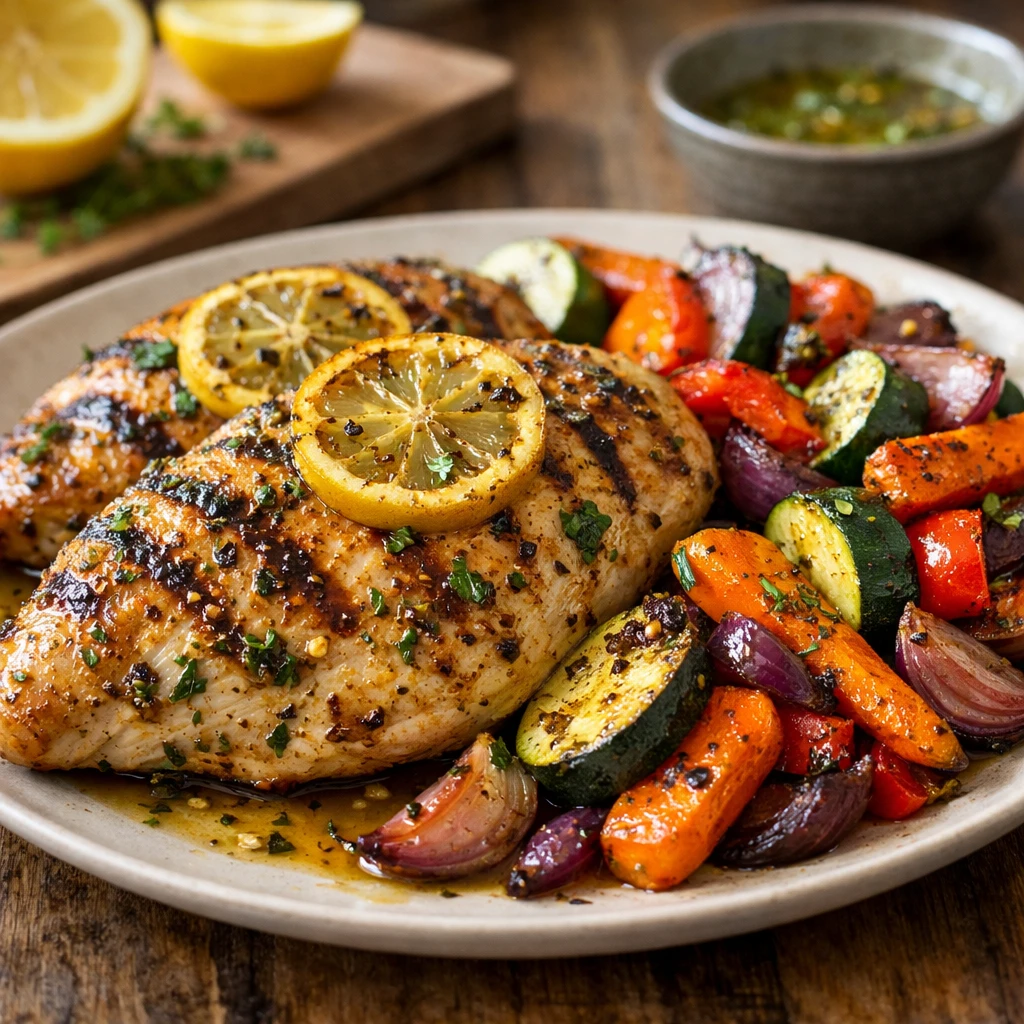
When I want a dinner that feels fresh, flavorful, and wonderfully simple, Zesty Lemon Herb Grilled Chicken is one of my favorite choices. Tender chicken is marinated in fresh lemon juice, garlic, olive oil, and fragrant herbs before being grilled until beautifully golden on the outside and juicy on the inside. Every bite delivers a bright citrus flavor balanced with savory seasonings and a delicious smoky finish.
What I love most about this recipe is that it proves you do not need a complicated sauce or a long list of ingredients to make an incredible meal. A few fresh ingredients can transform ordinary chicken into something special. The lemon adds brightness, the garlic brings depth, and the herbs create a wonderful aroma that fills the kitchen or outdoor cooking area.
This grilled chicken is perfect for summer barbecues, busy weeknight dinners, family gatherings, or meal preparation for the week ahead. You can serve it with roasted potatoes, a crisp green salad, grilled vegetables, or fluffy rice. It is also delicious sliced into wraps, sandwiches, and grain bowls.
If you enjoy meals that are light yet satisfying, this recipe deserves a place in your regular rotation. The marinade is easy to prepare, the cooking process is straightforward, and the finished chicken is versatile enough to pair with almost anything. Once you try this combination of lemon, herbs, and garlic, you may find yourself making it whenever you need a reliable and delicious chicken dinner.
Recipe Origin & Story
Lemon and herb marinades are popular in many Mediterranean-inspired cooking traditions. Fresh citrus, olive oil, garlic, and aromatic herbs are often used to complement chicken because they add flavor without covering up the natural taste of the meat.
This recipe takes inspiration from those familiar combinations and adapts them for easy home grilling. Lemon juice provides a tangy note, olive oil helps distribute the seasonings, and herbs such as oregano, thyme, and rosemary bring an earthy fragrance.
Grilling adds another layer of flavor. The direct heat creates browned surfaces and lightly charred edges, giving the chicken a delicious contrast between its exterior and tender center.
I particularly enjoy how adaptable this dish is. You can keep the seasoning simple for everyday dinners or add smoked paprika, chili flakes, or fresh parsley for a different personality. The same marinade also works well for boneless chicken thighs, making it easy to adjust the recipe to your preferences.
Ingredient Spotlight
- Main Star: Boneless, skinless chicken breasts are lean, convenient, and cook quickly. Chicken thighs are an excellent alternative if you prefer darker meat that tends to remain juicy.
- Fresh Lemon: Lemon juice provides the zesty flavor that defines the recipe, while a little lemon zest adds an even more fragrant citrus aroma.
- Quality Olive Oil: Olive oil helps coat the chicken and carry the flavors of the herbs and spices. It also helps prevent the surface from drying out during grilling.
- Fresh Garlic: Minced garlic adds a savory, aromatic quality that complements the lemon beautifully.
- Aromatic Herbs: Dried oregano and thyme provide a Mediterranean-inspired flavor. Fresh rosemary or parsley can be added for extra fragrance.
- Seasonings: Paprika, black pepper, and salt enhance the natural flavor of the chicken. Smoked paprika is especially good if you want a deeper, grill-friendly taste.
Nutritional Benefits
Chicken provides high-quality protein and nutrients such as vitamin B6, niacin, selenium, and phosphorus. Protein helps support muscle maintenance and contributes to a satisfying meal.
Lemon juice adds flavor with very few calories, while garlic and herbs make the dish taste delicious without requiring a heavy sauce. Olive oil provides unsaturated fats, and using a moderate amount keeps the marinade flavorful without making the meal unnecessarily rich.
The overall nutritional profile depends on the chicken cut, portion size, and sides you serve. Chicken breasts generally contain less fat than chicken thighs, although both can be part of a balanced eating pattern.
For a colorful, balanced dinner, serve the grilled chicken with a generous portion of vegetables and a source of carbohydrates such as potatoes, brown rice, or quinoa. A fresh salad with cucumber and tomatoes is another excellent pairing.
Adaptable Variations
- Spicy Lemon Chicken: Add red pepper flakes or a pinch of cayenne pepper to the marinade for a gentle kick.
- Honey Lemon Herb Chicken: Add one teaspoon of honey for a subtle sweetness that balances the lemon. Use moderate heat because honey can brown quickly.
- Garlic Parmesan Finish: Sprinkle a little freshly grated Parmesan and chopped parsley over the chicken immediately after grilling.
- Mediterranean Style: Add dried oregano, lemon zest, and a little chopped fresh rosemary. Serve with cucumber, tomatoes, and warm flatbread.
- Fresh Herb Version: Replace the dried herbs with finely chopped fresh thyme, oregano, and parsley. Fresh herbs may have a more delicate flavor, so adjust the quantity to taste.
- Chicken Thighs: Use boneless, skinless thighs for a richer flavor and a slightly more forgiving texture during grilling.
- Oven-Baked Alternative: If you do not have a grill, bake the marinated chicken at 400°F (200°C) until it reaches a safe internal temperature of 165°F (74°C).
Cooking Science Explained
A flavorful marinade works by coating the chicken with ingredients that add aroma, seasoning, and moisture to the surface. Olive oil distributes the herbs and spices, while lemon juice contributes acidity that brightens the overall flavor.
Although lemon juice is acidic, it does not deeply tenderize chicken throughout. Leaving chicken in a highly acidic marinade for too long can affect the texture of the outer layer, making it soft or slightly mealy. For this recipe, approximately 30 minutes to 2 hours in the refrigerator is a practical marinating window.
Grilling creates a browned surface through the Maillard reaction, which develops savory, roasted flavors. To encourage browning, allow excess marinade to drip off before placing the chicken on the grill. Too much liquid on the surface can delay browning and cause flare-ups.
Chicken thickness also matters. Pieces of uneven thickness cook at different speeds, so gently pounding thick breasts to an even thickness helps them cook more consistently.
Finally, resting the chicken for about five minutes after cooking gives the juices time to redistribute. This simple step helps the meat remain moist when you slice it.
Easy, Step-by-Step Recipe
Ingredients
- 4 boneless, skinless chicken breasts, approximately 6 ounces (170 g) each
- 3 tablespoons olive oil
- 3 tablespoons fresh lemon juice
- 1 teaspoon finely grated lemon zest
- 4 garlic cloves, minced
- 1 teaspoon dried oregano
- 1 teaspoon dried thyme
- ½ teaspoon paprika
- ½ teaspoon black pepper
- ¾ teaspoon salt, or to taste
- 1 tablespoon chopped fresh parsley
- Lemon wedges, for serving
Instructions
- Prepare the chicken: Pat the chicken breasts dry with paper towels. If they are particularly thick, place them between sheets of food-safe wrap and gently pound them to an even thickness.
- Make the marinade: In a medium bowl, whisk together the olive oil, lemon juice, lemon zest, minced garlic, oregano, thyme, paprika, black pepper, and salt.
- Coat the chicken: Place the chicken in a shallow dish or resealable food-safe bag. Pour the marinade over it and turn the pieces until evenly coated.
- Marinate: Cover and refrigerate for 30 minutes to 2 hours. Do not leave raw chicken at room temperature to marinate. Reserve fresh lemon wedges for serving rather than using the raw marinade as a finishing sauce.
- Preheat the grill: Heat an outdoor grill or grill pan to medium-high heat. Clean the grates and lightly oil them to help prevent sticking.
- Prepare for grilling: Remove the chicken from the marinade and allow excess liquid to drip away. Discard the used marinade because it has been in contact with raw chicken.
- Grill the first side: Place the chicken on the hot grill. Cook for approximately 5–7 minutes, depending on thickness, without moving it too frequently. The surface should develop attractive grill marks.
- Turn the chicken: Flip each piece and grill for another 5–7 minutes, adjusting the heat as needed to prevent excessive browning.
- Check the temperature: Insert an instant-read thermometer into the thickest part of each piece. Chicken is ready when it reaches 165°F (74°C). Cooking time varies depending on the thickness and grill temperature.
- Rest the chicken: Transfer the cooked chicken to a clean plate and let it rest for about five minutes before slicing.
- Finish with fresh herbs: Sprinkle the chicken with chopped parsley and serve with fresh lemon wedges. Squeeze a little lemon over the top just before eating if you enjoy extra citrus flavor.
Practical & Valuable Tips
- Do not over-marinate: A short marinating period gives the chicken plenty of flavor without compromising the texture.
- Use evenly sized pieces: Chicken of similar thickness cooks more consistently and is less likely to dry out.
- Preheat the grill properly: A hot cooking surface helps develop a golden exterior and reduces sticking.
- Use a thermometer: Checking the internal temperature is more reliable than judging doneness by color alone.
- Avoid pressing the chicken: Pressing it against the grill does not make it cook better and can push out juices.
- Keep raw and cooked foods separate: Use clean plates and utensils when transferring cooked chicken to prevent cross-contamination.
If the chicken begins browning too quickly, reduce the heat or move it to a cooler part of the grill to finish cooking. If you are using a grill pan indoors, open a window or turn on the extractor fan because grilling can create smoke.
Make-Ahead & Batch-Cooking
You can mix the marinade and prepare the chicken a few hours before dinner. Keep everything covered in the refrigerator until you are ready to grill. For the best texture, cook the chicken within the recommended marinating window rather than leaving it in lemon juice overnight.
Cooked chicken can be stored in an airtight container in the refrigerator for 3–4 days. Refrigerate leftovers within two hours of cooking and reheat them to 165°F (74°C).
For meal preparation, slice the cooled chicken and divide it into containers with rice, quinoa, roasted vegetables, or salad ingredients. Keep fresh salad dressing separate until serving to prevent the vegetables from becoming soggy.
You can also freeze cooked chicken in airtight, freezer-safe packaging. For the best quality, use it within approximately 2–3 months. Thaw it in the refrigerator and reheat gently to preserve its texture.
Eco-Friendly Kitchen Hacks
- Use lemon zest before squeezing the lemons to make the most of the fruit.
- Save extra parsley stems for homemade stock or finely chop tender stems into sauces.
- Grill extra chicken and use the leftovers in wraps, salads, or grain bowls.
- Choose seasonal vegetables for affordable and colorful side dishes.
- Store leftovers in reusable containers for quick meals during the week.
Pairing Suggestions
- Roasted Potatoes: Crispy potatoes seasoned with rosemary and garlic make a comforting side.
- Fresh Garden Salad: Combine lettuce, cucumber, cherry tomatoes, and a light lemon dressing for a refreshing contrast.
- Grilled Vegetables: Zucchini, bell peppers, asparagus, and red onions cook beautifully alongside the chicken.
- Rice or Quinoa: Fluffy rice or quinoa provides a satisfying base that absorbs the lemony juices.
- Flatbread or Pita: Warm bread works well for wraps or for serving alongside a Mediterranean-inspired meal.
- Refreshing Drinks: Sparkling water with lemon, mint tea, or homemade lemonade complements the fresh citrus flavor.
For a simple summer dinner, I like serving this chicken with grilled zucchini and a crisp tomato salad. If you want something more filling, add roasted potatoes or rice. The bright lemon flavor works well with both light and hearty sides.
Frequently Asked Questions
- How long should I marinate lemon herb chicken?
Thirty minutes to two hours is a good range for this recipe. Keep the chicken refrigerated while marinating, and avoid excessively long marinating times because the lemon juice can affect the texture. - Can I use chicken thighs instead of breasts?
Yes. Boneless, skinless chicken thighs work very well and often remain juicy during grilling. Adjust the cooking time according to their thickness and check that the internal temperature reaches 165°F (74°C). - Can I cook this chicken without an outdoor grill?
Absolutely. Use a grill pan or bake the chicken in an oven preheated to 400°F (200°C) until it reaches 165°F (74°C). - How can I stop grilled chicken from drying out?
Choose pieces of similar thickness, avoid excessive cooking, and allow the chicken to rest briefly before slicing. An instant-read thermometer helps you know when it is done. - Can I prepare the chicken ahead of time?
Yes. You can prepare the marinade and refrigerate the chicken for a short period before cooking. Cooked chicken can also be portioned for lunches and dinners over the following few days. - What vegetables go best with lemon herb chicken?
Broccoli, zucchini, asparagus, carrots, bell peppers, green beans, and tomatoes all complement the fresh lemon and herb flavors.
Call to Action
This Zesty Lemon Herb Grilled Chicken is proof that an easy dinner can still be fresh, flavorful, and satisfying. With garlic, lemon, olive oil, and aromatic herbs, ordinary chicken becomes a delicious meal that is perfect for weeknights, weekend barbecues, and meal preparation.
Serve it with roasted potatoes, grilled vegetables, a fresh salad, or your favorite grain. You can also slice the leftovers into wraps or bowls for another quick meal during the week.
Save this recipe for your next grilling day and try adding your favorite herbs or a little extra lemon zest. Simple ingredients, thoughtful seasoning, and careful cooking are all you need to make juicy, flavorful chicken that everyone can enjoy.