Personalized Introduction
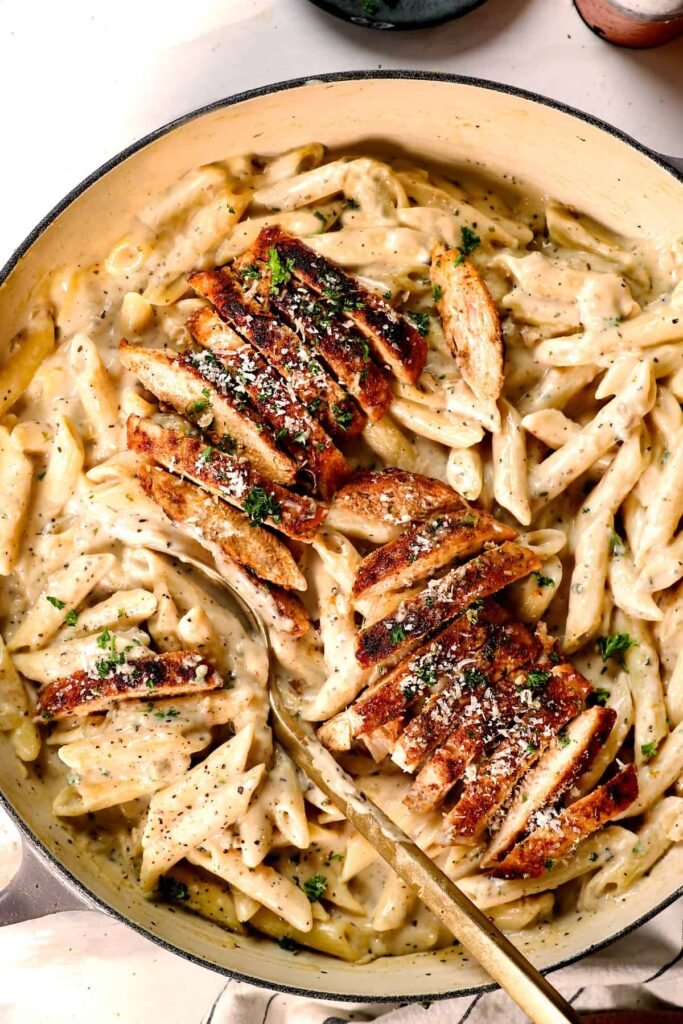
If you are craving a comforting pasta dinner that tastes rich and restaurant-worthy but takes very little effort, this Creamy Garlic Parmesan Pasta is exactly what you need. Tender pasta is coated in a silky garlic cream sauce, finished with plenty of freshly grated Parmesan, and topped with fresh parsley.
I love this recipe because it proves that a delicious dinner does not need a long ingredient list. Butter, garlic, cream, Parmesan, and pasta create an incredibly satisfying combination in about 25 minutes. Similar versions use either a traditional cream sauce or pasta cooked directly in broth and milk to create a creamy finish. :contentReference[oaicite:0]{index=0}
The garlic gives the sauce a deep savory aroma, while Parmesan adds salty, nutty flavor. The result is creamy without needing complicated techniques.
This pasta is wonderful as a quick meatless dinner, but you can also serve it with grilled chicken, shrimp, salmon, steak, or roasted vegetables.
Recipe Origin & Story
Creamy garlic Parmesan pasta is inspired by classic Italian-American pasta dishes where simple ingredients are combined to create a rich and comforting sauce.
The basic technique is straightforward: cook the pasta until al dente, prepare a garlic-infused cream sauce, gradually add Parmesan, and toss everything together. Reserving some pasta water is an especially useful trick because its starch helps loosen the sauce while allowing it to cling to the noodles. :contentReference[oaicite:1]{index=1}
This version keeps the preparation simple while giving you plenty of garlic and Parmesan flavor.
Ingredient Spotlight
- Pasta: Fettuccine, linguine, spaghetti, or penne all work beautifully.
- Garlic: Fresh minced garlic provides the signature savory flavor.
- Butter: Creates a rich base for the sauce.
- Heavy Cream: Gives the sauce its smooth and luxurious texture.
- Parmesan: Adds savory, nutty flavor and thickens the sauce as it melts.
- Pasta Water: Helps loosen and emulsify the sauce while adding useful starch.
- Parsley: Adds freshness and a pop of color.
Fresh garlic: Freshly minced garlic gives the strongest flavor. Cook it gently and avoid burning it because browned garlic can become bitter. :contentReference[oaicite:2]{index=2}
Parmesan: Finely grate Parmesan from a block when possible. Fine shreds melt more smoothly into the sauce than coarse or heavily processed cheese. :contentReference[oaicite:3]{index=3}
Pasta: Long pasta is excellent because the creamy sauce coats every strand, but penne and other shapes work too.
Nutritional Benefits
This pasta provides carbohydrates for energy and protein and calcium from Parmesan and other dairy ingredients.
Garlic also contains naturally occurring sulfur compounds and other plant compounds. Fresh parsley contributes small amounts of vitamins and antioxidants.
Because this is a rich cream-based dish, you can balance the meal by serving it with steamed broccoli, roasted vegetables, or a crisp green salad.
Adaptable Variations
- Dietary Swaps: Use gluten-free pasta if needed, and choose a suitable dairy-free cream and Parmesan alternative for a dairy-free version.
- Flavor Twists: Add Italian seasoning, red pepper flakes, lemon zest, or fresh basil.
- Protein Options: Add grilled chicken, shrimp, salmon, or sliced steak.
Chicken Garlic Parmesan Pasta: Add sliced grilled or pan-seared chicken for a complete protein-rich dinner.
Shrimp Parmesan Pasta: Add seasoned sautéed shrimp just before serving.
Spinach Garlic Parmesan Pasta: Stir fresh spinach into the hot sauce until wilted.
Broccoli Parmesan Pasta: Add steamed broccoli for extra vegetables and texture.
Spicy Garlic Parmesan Pasta: Add 1/4–1/2 teaspoon red pepper flakes to the garlic.
Lemon Garlic Parmesan Pasta: Finish with fresh lemon zest and a small squeeze of lemon juice.
Cooking Science Explained
Why cook the garlic gently? Garlic releases flavorful oils as it warms. Cooking it gently allows the flavor to develop without burning it.
Why add Parmesan over low heat? High heat can cause cheese-based sauces to separate or become grainy. Reducing the heat and gradually stirring in the Parmesan helps it melt smoothly. :contentReference[oaicite:4]{index=4}
Why reserve pasta water? Pasta water contains starch released from the noodles. A splash can loosen a thick sauce while helping it cling to the pasta. :contentReference[oaicite:5]{index=5}
Why cook pasta al dente? Pasta that retains a little bite holds its texture better when tossed with hot sauce.
Why serve immediately? Cream and Parmesan sauces naturally become thicker as they cool. Serving the pasta right away gives you the smoothest texture. :contentReference[oaicite:6]{index=6}
Easy, Step-by-Step Recipe
Ingredients
- 12 ounces fettuccine, linguine, spaghetti, or penne
- 2 tablespoons unsalted butter
- 4–5 cloves fresh garlic, finely minced
- 1 cup heavy cream
- 1 cup freshly grated Parmesan cheese
- 1/2 teaspoon salt, plus salt for the pasta water
- 1/4 teaspoon freshly ground black pepper
- 1/2 teaspoon Italian seasoning, optional
- 1/4–1/2 cup reserved pasta water
- 2 tablespoons fresh parsley, chopped
- Red pepper flakes, optional
Instructions
- Boil the water: Bring a large pot of water to a boil and season it generously with salt.
- Cook the pasta: Add the pasta and cook according to the package directions until al dente.
- Reserve pasta water: Before draining, scoop out at least 1/2 cup of the starchy cooking water.
- Drain the pasta: Drain well and set aside. Do not rinse the pasta because you want its surface starch to help the sauce cling.
- Melt the butter: While the pasta cooks, place a large skillet over medium-low heat and melt the butter.
- Add the garlic: Add the minced garlic and cook for approximately 30–60 seconds, stirring frequently, until fragrant but not browned.
- Add the cream: Pour the heavy cream into the skillet and stir.
- Simmer: Bring the cream to a gentle simmer and cook for approximately 3–4 minutes, stirring occasionally.
- Season: Add black pepper, Italian seasoning, and a little salt. Be careful with the salt because Parmesan is naturally salty.
- Lower the heat: Reduce the heat to low before adding the Parmesan.
- Add Parmesan: Gradually sprinkle in the finely grated Parmesan while stirring continuously until the cheese melts into a smooth sauce.
- Add pasta: Transfer the cooked pasta directly into the skillet.
- Toss: Gently toss the pasta through the sauce until every strand or piece is coated.
- Adjust the sauce: Add reserved pasta water a tablespoon at a time until the sauce reaches your preferred consistency.
- Add parsley: Stir in fresh chopped parsley.
- Finish: Sprinkle with additional Parmesan and red pepper flakes if desired.
- Serve: Serve immediately while the sauce is creamy and silky.
The most important step is adding the Parmesan gradually over low heat. This helps prevent the sauce from becoming grainy. :contentReference[oaicite:7]{index=7}
If your sauce becomes thicker than you want, simply add another splash of reserved pasta water and toss again.
Practical & Valuable Tips
- Storage: Refrigerate leftovers in an airtight container for up to 3 days.
- Serving Ideas: Pair with grilled chicken, shrimp, roasted vegetables, or a fresh salad.
- Reheating: Reheat gently with a splash of milk, cream, or pasta water to loosen the sauce.
Use freshly grated Parmesan: It melts more smoothly and gives the sauce a better flavor. :contentReference[oaicite:8]{index=8}
Do not burn the garlic: Garlic only needs a short time in the butter to become fragrant.
Salt the pasta water: Properly seasoned pasta gives the finished dish much better flavor.
Reserve plenty of pasta water: You may only need a few tablespoons, but it is better to have extra available.
Keep the heat low: Gentle heat is your friend once the Parmesan goes into the sauce.
Serve immediately: The sauce is at its creamiest right after the pasta is tossed through it.
Make-Ahead & Batch-Cooking
This recipe is best freshly prepared because cream-based Parmesan sauce naturally thickens as it cools. :contentReference[oaicite:9]{index=9}
If you need to prepare part of it ahead, grate the Parmesan, mince the garlic, chop the parsley, and measure the remaining ingredients in advance. Then cook the pasta and sauce shortly before serving.
For leftovers, store the pasta in an airtight container in the refrigerator. When reheating, add a splash of milk, cream, or reserved pasta water and warm it gently.
If you are cooking for a crowd, keep extra warm milk or pasta water nearby so you can loosen the sauce before serving.
Eco-Friendly Kitchen Hacks
- Use leftover pasta to create a quick lunch the next day.
- Add leftover vegetables or cooked chicken instead of buying additional ingredients.
- Save Parmesan rinds for soups and sauces.
- Use reusable containers for leftovers.
- Freeze extra grated Parmesan if you have more than you can use soon.
Leftover garlic Parmesan pasta can also be transformed into a baked pasta dish. Add vegetables, extra cheese, and a little sauce, then bake until bubbling.
Pairing Suggestions
- Beverages: Sparkling water with lemon, iced tea, lemonade, or a glass of white wine.
- Sides: Garlic bread, Caesar salad, roasted broccoli, asparagus, green beans, or a simple garden salad.
A crisp green salad is a particularly good pairing because its fresh texture balances the rich creamy pasta.
For a heartier dinner, add grilled chicken or shrimp and serve with warm garlic bread.
Roasted broccoli or asparagus also works beautifully because the slightly charred vegetables add contrast to the creamy sauce.
Frequently Asked Questions
- Can I use milk instead of heavy cream?
Yes, although the sauce will be lighter and less rich. Whole milk gives the best result among lower-fat options. - Why did my Parmesan sauce become grainy?
The most common reason is excessive heat when adding the cheese. Lower the heat and add finely grated Parmesan gradually. :contentReference[oaicite:10]{index=10} - Can I use pre-shredded Parmesan?
You can, but freshly grated Parmesan generally melts more smoothly and gives a better sauce texture. - Can I add chicken?
Absolutely. Grilled, roasted, or pan-seared chicken makes an excellent addition. - Can I make this vegetarian?
Yes. Use vegetable broth if your chosen Parmesan is suitable for your dietary needs and serve with vegetables or a meat-free protein. - How do I make the sauce thinner?
Add reserved pasta water a little at a time while tossing the pasta. - Can I use another pasta shape?
Yes. Fettuccine, linguine, spaghetti, penne, tagliatelle, and angel hair can all work well.
Call to Action
If you need an easy dinner that feels much more special than the effort required, this Creamy Garlic Parmesan Pasta is a recipe worth saving.
It comes together quickly with simple ingredients, yet the combination of garlic, butter, cream, and Parmesan creates a wonderfully rich and comforting meal.
Make it for a busy weeknight, a cozy date night, or whenever you want a bowl of creamy pasta without spending hours in the kitchen.
Grab your favorite pasta, plenty of fresh garlic, and some Parmesan, then make this creamy, comforting dinner tonight.
Bonus: Your Kitchen Notes
The little details make a big difference with this recipe. Fresh garlic gives you the best flavor, freshly grated Parmesan creates a smoother sauce, and reserved pasta water gives you control over the final consistency.
Do not be tempted to turn the heat up high when adding the cheese. Gentle heat gives the Parmesan time to melt into the cream instead of separating.
If you want to make this dish feel restaurant-style, finish it with freshly cracked black pepper, chopped parsley, extra Parmesan, and a tiny sprinkle of red pepper flakes.
And if you want to turn it into a complete dinner, add grilled chicken, shrimp, spinach, mushrooms, or roasted broccoli.
Silky cream sauce, fragrant garlic, buttery pasta, and plenty of Parmesan make this Creamy Garlic Parmesan Pasta an easy comfort-food favorite you will want to make again and again.


