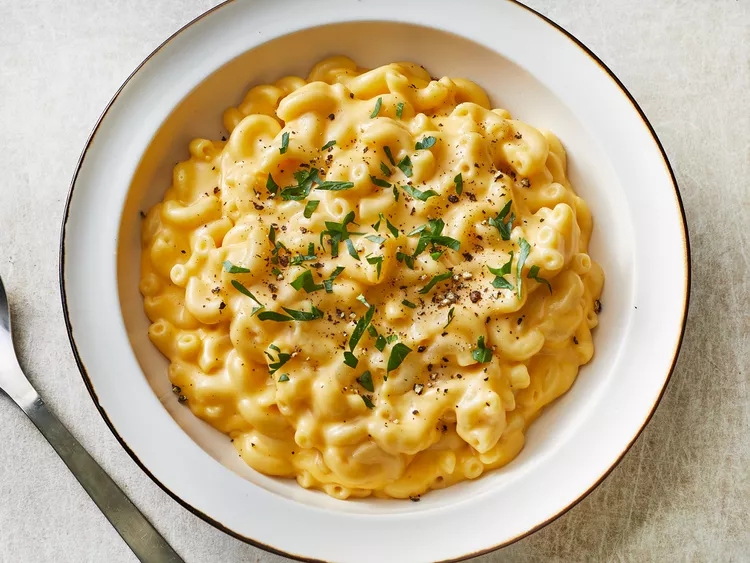
Few meals are as comforting as a warm bowl of creamy homemade mac and cheese. Tender macaroni coated in a rich, smooth cheese sauce is simple, cozy, and always satisfying. This Creamy Mac and Cheese Recipe is easy enough for a weeknight dinner but delicious enough to serve when you want something extra comforting.
I love making mac and cheese from scratch because the flavor is so much better when you use real cheese, butter, and milk. The sauce comes together with a simple butter-and-flour base, then shredded cheese melts into it to create a silky sauce that clings beautifully to every piece of pasta.
You can keep this recipe classic with sharp cheddar, or add mozzarella, Monterey Jack, Gruyère, or Parmesan for even more flavor. It is also easy to customize with crispy bacon, cooked chicken, broccoli, breadcrumbs, or a little spice.
Why You’ll Love This Creamy Mac and Cheese
- Easy homemade comfort food: You only need simple ingredients and basic cooking skills.
- Extra creamy: The homemade cheese sauce coats every piece of pasta.
- Rich cheesy flavor: Sharp cheddar gives the sauce a delicious savory taste.
- Ready in about 30 minutes: It is perfect for busy weeknights.
- Family-friendly: Kids and adults can both enjoy this classic dish.
- Easy to customize: Add vegetables, meat, spices, or different cheeses.
Classic homemade versions often use a roux made from butter and flour before gradually adding milk and cheese. This method creates a thick, creamy sauce rather than simply melting cheese directly into the pasta.
What Makes Homemade Mac and Cheese So Good?
The secret is really in the sauce. You want a sauce that is creamy enough to coat the pasta but not so thick that it becomes heavy or dry.
Butter adds richness, while flour helps thicken the milk. Once the sauce has thickened, the cheese is added gradually. This gives the cheese time to melt smoothly into the sauce.
I also recommend cooking the pasta just until al dente. Slightly firm pasta holds its shape better and continues softening once it is mixed with the hot cheese sauce.
Ingredients You’ll Need
For this easy homemade version, you will need a handful of everyday ingredients.
- 12 ounces elbow macaroni: The classic shape, but shells, cavatappi, or rotini also work.
- 4 tablespoons unsalted butter: Creates the rich foundation for the sauce.
- 3 tablespoons all-purpose flour: Helps thicken the cheese sauce.
- 2 1/2 cups whole milk: Gives the sauce a creamy texture.
- 2 cups freshly shredded sharp cheddar: Provides the main cheesy flavor.
- 1/2 cup mozzarella cheese: Adds extra meltiness.
- 1/4 cup Parmesan cheese: Adds a salty, savory finish.
- 1/2 teaspoon garlic powder: Adds gentle garlic flavor.
- 1/2 teaspoon paprika: Gives the sauce a warm, lightly smoky note.
- 1/2 teaspoon mustard powder: Helps bring out the cheese flavor.
- 1/2 teaspoon salt: Adjust according to taste.
- 1/4 teaspoon black pepper: Adds a little warmth.
Freshly shredding the cheese is a useful step. Some prepared shredded cheeses contain anti-caking ingredients that can make sauces less smooth.
How to Make Creamy Mac and Cheese
Step 1: Cook the Pasta
Bring a large pot of generously salted water to a boil. Add the elbow macaroni and cook according to the package directions, but try to stop cooking about 1 minute before it reaches full tenderness.
You want the pasta to be al dente. Drain well and set it aside.
If you have room, reserve about 1/2 cup of the pasta cooking water before draining. You may not need it, but the starchy water can help loosen the sauce later if it becomes too thick.
Step 2: Make the Butter and Flour Mixture
Place a large saucepan or Dutch oven over medium heat. Add the butter and let it melt completely.
Sprinkle in the flour and whisk continuously for about 1 minute. The mixture should look smooth and slightly bubbly.
This butter-and-flour mixture is called a roux. It gives the milk something to bind with and creates the creamy structure of the sauce.
Step 3: Add the Milk
Slowly pour the milk into the roux while whisking constantly. Adding the milk gradually helps prevent lumps.
Continue whisking until everything is smooth. Cook over medium heat for several minutes, stirring frequently, until the sauce begins to thicken.
You do not want the mixture to become extremely thick at this stage. It should have the consistency of a light cream sauce because the cheese will make it thicker.
Step 4: Add the Seasonings
Stir in the garlic powder, paprika, mustard powder, salt, and black pepper.
These seasonings are simple, but they make a noticeable difference. Mustard powder especially helps bring out the natural sharpness of cheddar without making the finished dish taste strongly of mustard.
Step 5: Melt in the Cheese
Reduce the heat to low. Add the cheddar a handful at a time, stirring after each addition until melted.
Then add the mozzarella and Parmesan. Keep stirring gently until all the cheese has melted and the sauce is smooth.
This is one of the most important steps. Avoid cooking the cheese sauce over high heat because excessive heat can cause the cheese to separate and become greasy or grainy.
Step 6: Combine the Pasta and Sauce
Add the drained macaroni directly to the cheese sauce.
Stir gently until every piece of pasta is covered in that creamy, cheesy sauce.
If the sauce looks thicker than you want, add a small splash of reserved pasta water and stir again. Add only a little at a time.
Step 7: Taste and Serve
Give the mac and cheese a final taste. Add a little more salt or black pepper if needed.
Serve immediately while the sauce is hot, creamy, and at its smoothest.
The Best Cheese for Mac and Cheese
Sharp cheddar is my favorite starting point because it gives the dish a strong, classic cheese flavor. However, you do not have to stop there.
- Sharp cheddar: Bold, classic, and savory.
- Medium cheddar: Mild and family-friendly.
- Monterey Jack: Smooth and creamy.
- Mozzarella: Excellent for extra stretch.
- Gruyère: Rich and nutty.
- Parmesan: Adds salty, savory depth.
- Colby Jack: Mild and wonderfully melty.
A combination of cheeses can give you both strong flavor and a smooth texture. Cream cheese is another popular addition because a small amount can make the sauce especially creamy.
How to Keep Mac and Cheese Creamy
There are a few simple tricks that make a big difference.
Use Enough Sauce
Mac and cheese thickens as it sits. For that reason, your sauce should look slightly looser than your ideal final texture when you first combine it with the pasta.
Do Not Overcook the Pasta
Overcooked macaroni can become soft and mushy. Cooking it just until al dente gives you a much better texture.
Keep the Heat Moderate
Once you start adding cheese, lower the heat. Gentle heat helps the cheese melt into the sauce without making the mixture greasy.
Shred Cheese Yourself
Whenever possible, buy blocks of cheese and shred them at home. It generally gives you a smoother melting texture.
Can You Bake This Mac and Cheese?
Absolutely. This recipe is delicious straight from the stovetop, but you can turn it into a baked mac and cheese.
After combining the pasta and cheese sauce, transfer everything to a greased baking dish. Sprinkle extra shredded cheddar and Parmesan over the top.
For an optional crunchy topping, combine breadcrumbs with a little melted butter and sprinkle them over the cheese.
Bake at 350°F until hot and bubbling, with a golden top. Keep in mind that baking will firm up the sauce, so make sure the stovetop mixture is quite creamy before it goes into the oven. Baked versions commonly use a similar approach of cooking the pasta slightly under al dente before baking.
Easy Mac and Cheese Variations
Bacon Mac and Cheese
Cook bacon until crisp, crumble it, and stir some into the finished mac and cheese. Sprinkle the rest over the top before serving.
Chicken Mac and Cheese
Add chopped cooked chicken for a heartier dinner. Season the chicken with garlic, paprika, salt, and black pepper before cooking for extra flavor.
Broccoli Mac and Cheese
Steam small broccoli florets until just tender and fold them into the finished pasta. The broccoli adds color, texture, and freshness.
Spicy Mac and Cheese
Add cayenne pepper, crushed red pepper flakes, diced jalapeño, or a few drops of hot sauce.
Garlic Parmesan Mac and Cheese
Increase the garlic powder slightly and add extra Parmesan. Finish with fresh parsley for a simple garlic-Parmesan twist.
Three-Cheese Mac and Cheese
Use sharp cheddar, mozzarella, and Gruyère for a rich combination of flavor and meltability.
What to Serve With Mac and Cheese
Mac and cheese can easily be a meal on its own, but it also makes an excellent side dish.
- Grilled chicken
- Roasted chicken
- BBQ chicken
- Meatloaf
- Grilled vegetables
- Roasted broccoli
- Green beans
- Garden salad
- Garlic bread
- Roasted or baked meats
For a simple weeknight dinner, I like pairing creamy mac and cheese with roasted vegetables and a fresh salad. The combination gives you a cozy main dish with something crisp and fresh alongside it.
Make-Ahead Instructions
You can prepare the cheese sauce and pasta ahead of time, but mac and cheese is at its creamiest when served soon after cooking.
If you are making it ahead for a gathering, prepare the sauce slightly thinner than usual. Combine it with the pasta and refrigerate it in a covered baking dish.
When you are ready to serve, add a little milk to the top or around the edges, cover the dish, and reheat gently. Add extra cheese on top if you want a fresh cheesy finish.
How to Store Leftover Mac and Cheese
Allow leftovers to cool and place them in an airtight container. Refrigerate promptly and enjoy within a few days.
Mac and cheese naturally becomes thicker after refrigeration, so do not worry if it looks very firm when cold.
For reheating, place a portion in a saucepan or microwave-safe bowl and add a small splash of milk. Heat gently and stir until creamy again.
Can You Freeze Mac and Cheese?
Yes, but the texture can change slightly after freezing and reheating. Dairy-based cheese sauces may not be quite as smooth as when freshly prepared.
If you want to freeze it, allow the mac and cheese to cool completely, portion it into freezer-safe containers, and seal well.
Thaw it in the refrigerator before reheating. Add a splash of milk while reheating and stir gently to help restore some of the creamy texture.
Common Mistakes to Avoid
Adding Cheese Over High Heat
High heat can make cheese sauces separate. Lower the temperature before adding your cheese.
Using Too Much Flour
A heavy roux can make the sauce thick and pasty. Measure the flour carefully and cook it briefly in the butter before adding the milk.
Overcooking the Pasta
Remember that the pasta will continue absorbing sauce after it is drained. Slightly undercooking it gives you the best final texture.
Making the Sauce Too Thick
If the sauce is already very thick before the pasta is added, the finished mac and cheese can become dry. Keep the sauce creamy and slightly loose.
Adding All the Cheese at Once
Add cheese gradually and stir between additions. This helps it melt evenly into the sauce.
Frequently Asked Questions
What makes mac and cheese creamy?
A properly made cheese sauce is the key. Butter and flour create the base, milk provides creaminess, and melted cheese gives the sauce its rich texture.
Can I use 2% milk?
Yes. Whole milk gives the richest result, but 2% milk can work. The finished sauce may be slightly less rich.
Why is my cheese sauce grainy?
High heat is one possible reason. Cheese can become grainy or separate when it gets too hot. Lower the heat before adding cheese and melt it gently.
Can I use pre-shredded cheese?
You can, but freshly shredded cheese is generally a better choice for a smooth homemade sauce because some packaged shredded cheeses contain anti-caking ingredients.
Can I make mac and cheese without flour?
Yes. There are several flour-free methods, including recipes that rely on pasta starch, evaporated milk, or other ingredients to create the sauce. This recipe uses a roux because it gives you a reliable creamy base.
What pasta works best?
Elbow macaroni is classic, but shells, cavatappi, rotini, and penne are also excellent. Pasta shapes with curves and ridges are especially good at holding onto creamy cheese sauce.
Your Kitchen Notes
Best cheese: Sharp cheddar gives you a classic bold flavor, while mozzarella adds extra meltiness.
Best pasta: Elbow macaroni is traditional, but shells and cavatappi are excellent alternatives.
Best texture: Cook the pasta just until al dente and keep the cheese sauce slightly loose.
Best technique: Add cheese gradually over low heat.
Best serving tip: Serve immediately while the sauce is warm and creamy.
Final Thoughts
This Creamy Mac and Cheese Recipe is exactly the kind of comforting homemade food I love having in my recipe collection. It is simple, cheesy, creamy, and easy enough to make whenever a comfort-food craving hits.
The homemade sauce is what makes this recipe special. Once you learn how butter, flour, milk, and cheese work together, you can easily adjust the recipe to your taste. Make it sharper with extra cheddar, stretchier with mozzarella, richer with Gruyère, or heartier with chicken and bacon.
Whether you serve it as a quick weeknight dinner, a holiday side dish, or a cozy weekend meal, this homemade mac and cheese is guaranteed to bring plenty of comfort to the table.
Grab your favorite cheese, boil some macaroni, and make yourself a warm bowl of creamy homemade comfort food!
Recipe Summary
- Recipe: Creamy Mac and Cheese
- Category: Dinner Recipes
- Prep Time: 10 minutes
- Cook Time: 20 minutes
- Total Time: About 30 minutes
- Servings: 6
- Method: Stovetop
- Best Served: Warm and freshly made


