Personalized Introduction
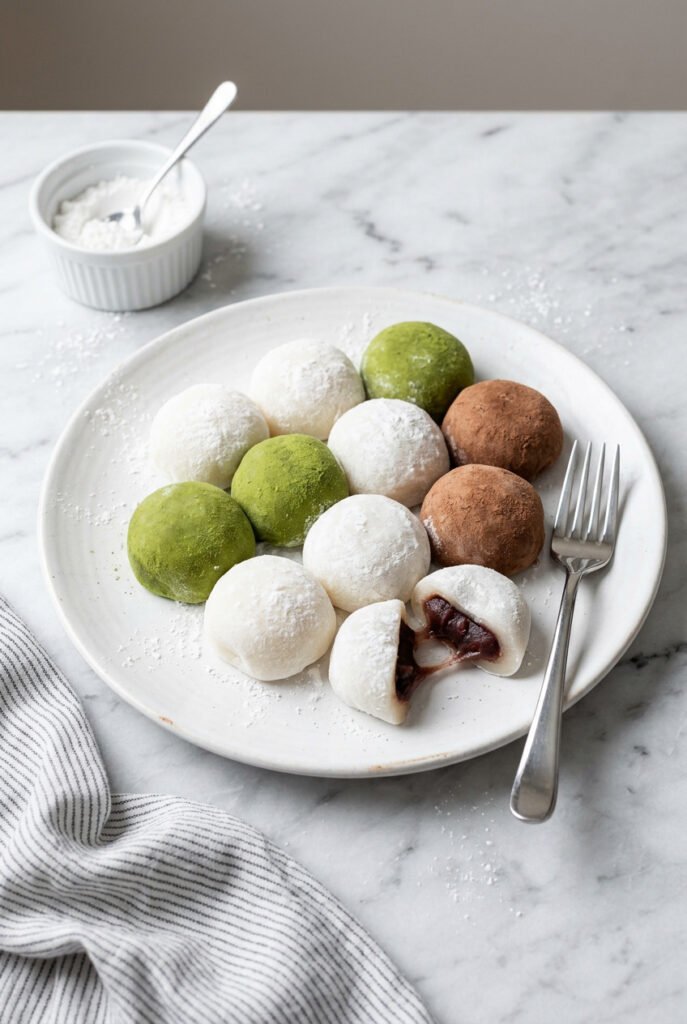
If you have never made mochi at home, you might be surprised by how simple it can be. This easy Mochi Recipe creates soft, chewy, slightly sweet bites with a wonderfully stretchy texture. With just a few basic ingredients and a little patience, you can make a homemade treat that feels both fun and special.
I love mochi because you can keep it simple or fill it with almost anything you enjoy. Sweet red bean paste is traditional, but ice cream, chocolate, strawberries, peanut butter, and other fillings can turn the same basic dough into something completely different.
The texture is what makes homemade mochi so irresistible. The outside is soft and pleasantly chewy, while the filling gives you a creamy or sweet center. Once you get comfortable with the dough, making different flavors becomes incredibly easy.
This recipe is perfect for dessert, afternoon snacks, parties, or whenever you want to try something a little different in your kitchen.
Recipe Origin & Story
Mochi is a traditional Japanese food made from glutinous rice that is cooked and pounded until it becomes sticky, smooth, and stretchy. Today, many home cooks use glutinous rice flour, also called sweet rice flour, to make mochi more easily.
There are many varieties of mochi in Japanese cuisine. Some are enjoyed plain, while others are filled with sweet bean paste, fruit, cream, or ice cream.
This homemade version uses glutinous rice flour to create a soft dough without needing to pound cooked rice. The mixture is steamed or microwaved until it becomes thick and stretchy, then shaped around your favorite filling.
The result is a fun homemade dessert with a texture you simply cannot get from ordinary wheat flour.
Ingredient Spotlight
- Main Star: Glutinous rice flour creates the signature chewy and stretchy texture.
- Secret Boost: A little vanilla adds a lovely aroma, while powdered sugar balances the flavor.
- Quality Tips: Use glutinous or sweet rice flour—not regular rice flour—because they behave very differently.
Glutinous rice flour: This is essential for authentic chewy mochi texture. Despite its name, it does not contain gluten.
Sugar: Sugar adds sweetness and helps keep the finished mochi soft.
Water: Water hydrates the flour and creates the sticky dough.
Cornstarch or potato starch: This prevents the finished dough from sticking to your hands and work surface.
Vanilla: Vanilla is optional but gives the mochi a gentle dessert-like aroma.
Filling: Red bean paste, ice cream, strawberries, chocolate, or peanut butter can all be used.
Nutritional Benefits
Mochi is primarily a sweet treat made from glutinous rice flour and sugar, so it is best enjoyed in moderate portions.
The main ingredient provides carbohydrates, while fillings such as strawberries, nuts, or dairy-based ice cream can contribute additional nutrients depending on what you choose.
If you want to make smaller portions, simply divide the dough into more pieces and use smaller amounts of filling.
Adaptable Variations
- Dietary Swaps: Use plant-based milk or fillings when appropriate. Glutinous rice flour itself is naturally gluten-free.
- Flavor Twists: Add matcha, cocoa powder, strawberry powder, coconut, or black sesame.
- Seasonal Spins: Fill mochi with fresh strawberries, peaches, mango, blueberries, or seasonal ice cream flavors.
Strawberry Mochi: Wrap the dough around a fresh strawberry with a little red bean paste or whipped cream.
Matcha Mochi: Add a small amount of matcha powder to the dough for earthy green-tea flavor.
Chocolate Mochi: Add cocoa powder to the dough and use chocolate ganache or a chocolate piece as the filling.
Mango Mochi: Add small pieces of ripe mango inside for a bright tropical variation.
Peanut Butter Mochi: Use small portions of creamy peanut butter as the filling.
Coconut Mochi: Roll finished mochi in finely shredded coconut for extra flavor and texture.
Cooking Science Explained
Why does mochi become chewy? Glutinous rice flour contains starches that become sticky and elastic when hydrated and heated.
Why can’t regular rice flour be substituted? Regular rice flour produces a different texture and does not develop the same characteristic chew.
Why is the dough so sticky? The starch becomes highly hydrated during cooking. Dusting the work surface and your hands with starch makes shaping much easier.
Why does the dough need to be cooked thoroughly? Heating gelatinizes the starch, transforming the flour mixture into the soft, stretchy dough associated with mochi.
Why should ice cream fillings stay cold? Warm mochi dough can quickly soften ice cream, so frozen fillings should be prepared ahead and kept frozen while you work.
Easy, Step-by-Step Recipe
Ingredients
- 1 cup glutinous rice flour (sweet rice flour)
- 1/4 cup granulated sugar
- 3/4 cup water
- 1 teaspoon vanilla extract, optional
- 1/2 cup cornstarch or potato starch, for dusting
Optional Fillings
- Red bean paste
- Small scoops of ice cream
- Fresh strawberries
- Mango pieces
- Chocolate squares
- Peanut butter
- Sweetened whipped cream
Instructions
- Prepare the mixture: Add the glutinous rice flour and sugar to a microwave-safe bowl. Whisk to combine.
- Add water: Gradually whisk in the water until the mixture is smooth and free of large lumps.
- Add vanilla: Stir in the vanilla extract if using.
- Cook the dough: Cover the bowl loosely and microwave for 1 minute.
- Stir: Carefully remove the bowl and stir the mixture thoroughly. It will begin becoming thicker and stickier.
- Continue cooking: Microwave in 30-second intervals, stirring between each interval, until the dough becomes very thick, sticky, and slightly translucent.
- Prepare the work surface: Generously dust a clean work surface or baking sheet with cornstarch or potato starch.
- Transfer the dough: Carefully turn the hot mochi dough onto the prepared surface.
- Dust the top: Sprinkle more starch over the dough so it does not stick to your hands or rolling pin.
- Flatten: Gently roll or press the dough into a relatively even layer about 1/4 inch thick.
- Cut portions: Use a knife or round cutter to divide the dough into approximately 8–10 pieces.
- Add filling: Place a small amount of your chosen filling in the center of each piece.
- Wrap: Carefully pull the edges of the mochi around the filling and pinch them together to seal.
- Shape: Gently roll the sealed mochi between your palms to create a smooth ball.
- Dust: Lightly coat the finished mochi with starch and brush away any excess.
- Serve: Enjoy the mochi once it has cooled to a pleasant chewy texture.
If you are making ice cream mochi, prepare small scoops of ice cream ahead of time and freeze them until completely firm. Work quickly when wrapping them and return the finished mochi to the freezer immediately.
Practical & Valuable Tips
- Storage: Plain or filled mochi can be kept in an airtight container for a short period at room temperature, depending on the filling. Dairy or fruit-filled versions should be refrigerated.
- Serving Ideas: Serve with green tea, coffee, fruit, or a scoop of ice cream.
- Substitutions: Use potato starch instead of cornstarch for dusting, and experiment with different fillings and flavors.
Use the correct flour: Look specifically for glutinous rice flour or sweet rice flour.
Keep plenty of starch nearby: Mochi dough is naturally sticky, so do not be afraid to dust your hands and work surface.
Do not overfill: Too much filling makes it difficult to seal the dough.
Work while the dough is warm: The dough becomes easier to shape while it is still warm but comfortable enough to handle.
Use smaller portions: Smaller mochi are easier to seal and make convenient bite-sized desserts.
Remove excess starch: A light coating prevents sticking, but brushing away extra starch improves the finished texture and appearance.
Make-Ahead & Batch-Cooking
Mochi is best when freshly made, but you can prepare fillings ahead of time to make assembly easier.
For ice cream mochi, freeze the ice cream portions several hours before making the dough. This gives you enough time to wrap each piece without the filling melting too quickly.
For fruit mochi, wash and dry the fruit thoroughly before assembling. Excess moisture can make the dough slippery and harder to seal.
You can also make several flavors in one batch. Divide the dough and flavor different portions with matcha, cocoa, strawberry powder, or other ingredients.
When storing finished mochi, keep pieces separated so they do not stick together. A light dusting of starch can help.
Eco-Friendly Kitchen Hacks
- Use reusable silicone mats instead of disposable parchment when practical.
- Make smaller portions to reduce leftover waste.
- Use seasonal fruit for fillings.
- Save extra starch for future baking or thickening applications.
- Turn imperfect mochi pieces into toppings for ice cream or yogurt.
If a few pieces do not look perfect, do not throw them away. Chop them into small pieces and use them over ice cream, fruit bowls, or yogurt for a fun dessert topping.
Pairing Suggestions
- Beverages: Green tea, matcha latte, black tea, coffee, iced tea, or a refreshing fruit drink.
- Dessert Pairings: Fresh berries, mango, vanilla ice cream, coconut cream, or fruit salad.
Green tea is a classic pairing because its slightly bitter flavor balances the sweetness of mochi.
For a dessert platter, arrange several mochi flavors together with fresh strawberries, mango, and small pieces of chocolate.
If you are serving mochi after dinner, a cup of hot tea makes the experience especially relaxing.
Frequently Asked Questions
- Is glutinous rice flour the same as regular rice flour?
No. Glutinous rice flour creates the sticky, chewy texture needed for mochi, while regular rice flour behaves differently. - Is mochi gluten-free?
Mochi made with pure glutinous rice flour is naturally gluten-free, but always check packaged ingredients and fillings for possible cross-contact or added ingredients. - Can I make mochi without a microwave?
Yes. The mixture can be steamed until the starch is fully cooked and the dough becomes thick and sticky. - Why is my mochi too sticky?
Mochi is naturally sticky. Use additional cornstarch or potato starch on your hands and work surface while shaping. - Can I fill mochi with ice cream?
Yes. Freeze small scoops of ice cream until very firm, wrap them quickly with the prepared dough, and return them to the freezer. - Can I use fresh fruit?
Yes. Strawberries, mango, peaches, and other firm fruits can make delicious fillings. - How long does homemade mochi last?
Fresh mochi is best enjoyed soon after making. Storage time depends on the filling, so fruit- and dairy-filled versions should be kept refrigerated.
Call to Action
If you have been wanting to try homemade mochi, this easy recipe is a wonderful place to start.
The dough requires only a few ingredients, and once you understand how it changes during cooking, you can experiment with countless flavors and fillings.
Make classic red bean mochi, fresh strawberry mochi, chocolate mochi, or fun ice cream mochi for a dessert everyone will want to try.
Grab your glutinous rice flour, choose your favorite filling, and make a batch of soft, chewy homemade mochi right in your kitchen.
Bonus: Your Kitchen Notes
The best part about homemade mochi is how creative you can be.
For a colorful dessert platter, make several flavors at once. Matcha gives you an earthy green-tea flavor, cocoa creates a chocolate version, and strawberry powder adds a fruity touch.
You can also play with fillings. Try sweet red bean paste for a traditional-inspired option, fresh strawberries for a fruity version, or small scoops of ice cream for a cool and creamy dessert.
If the dough feels difficult to work with at first, simply add more starch to your hands and work surface. Once you get the hang of it, shaping the little mochi becomes surprisingly fun.
Soft, chewy, sweet, and endlessly customizable, homemade mochi is a delicious little treat that is just as enjoyable to make as it is to eat.


